
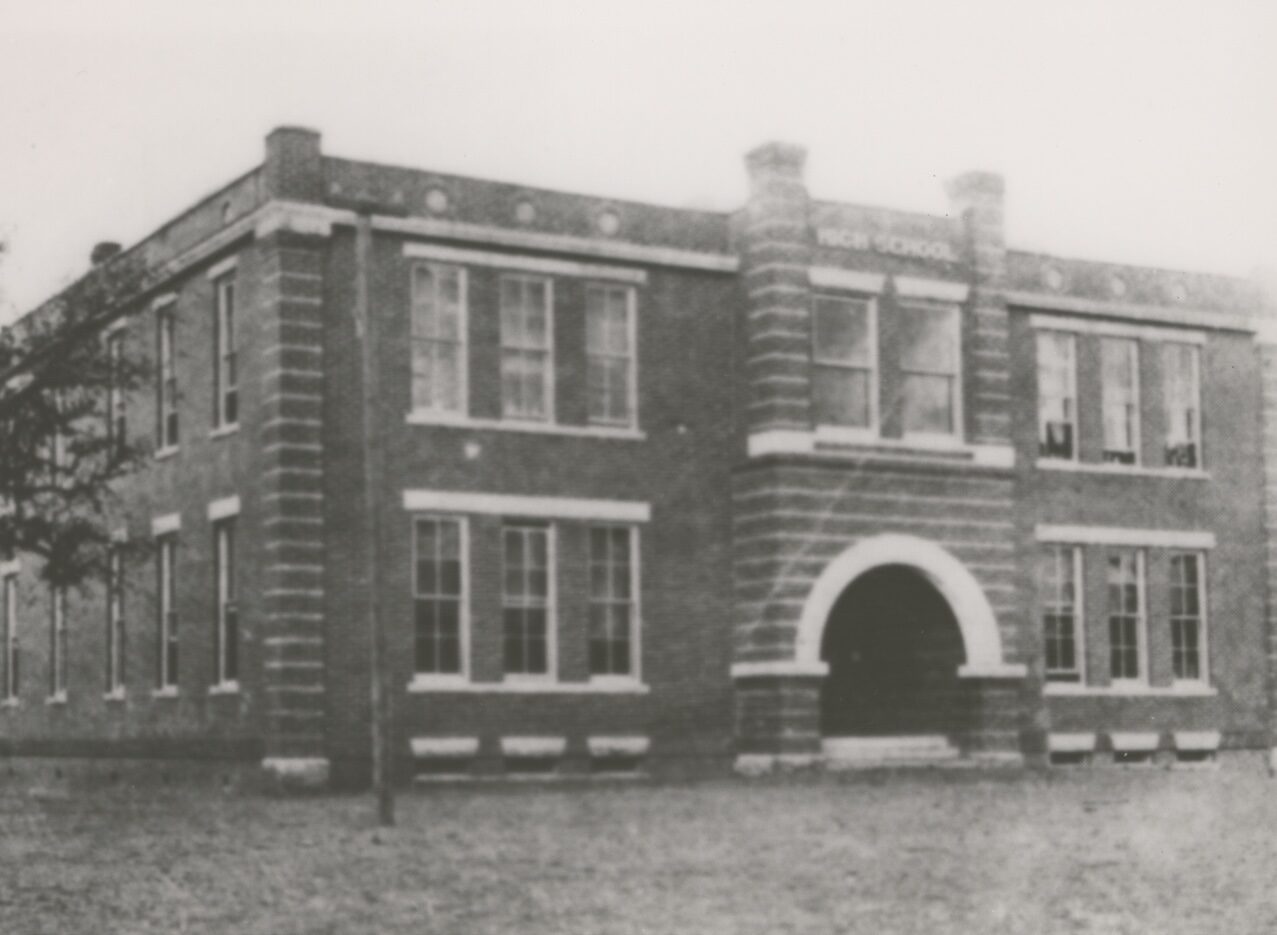
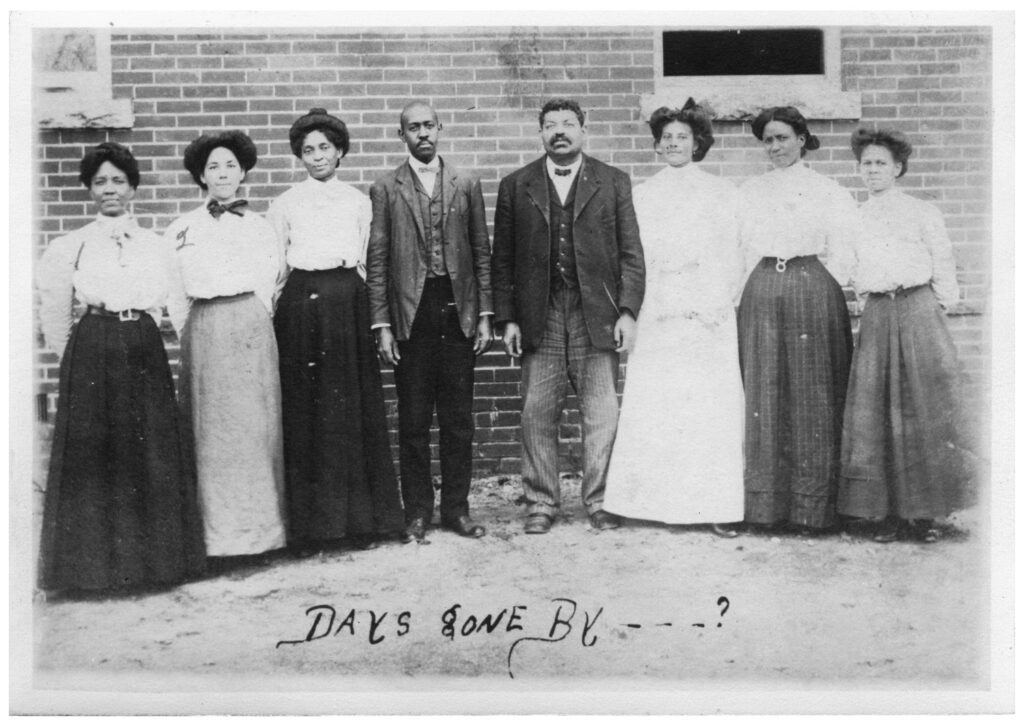
 1910: One of the early buildings believed to have housed the the Gregorytown School.
Austin History Center [PICA-20648]
Blackshear’s Continuing Legacy
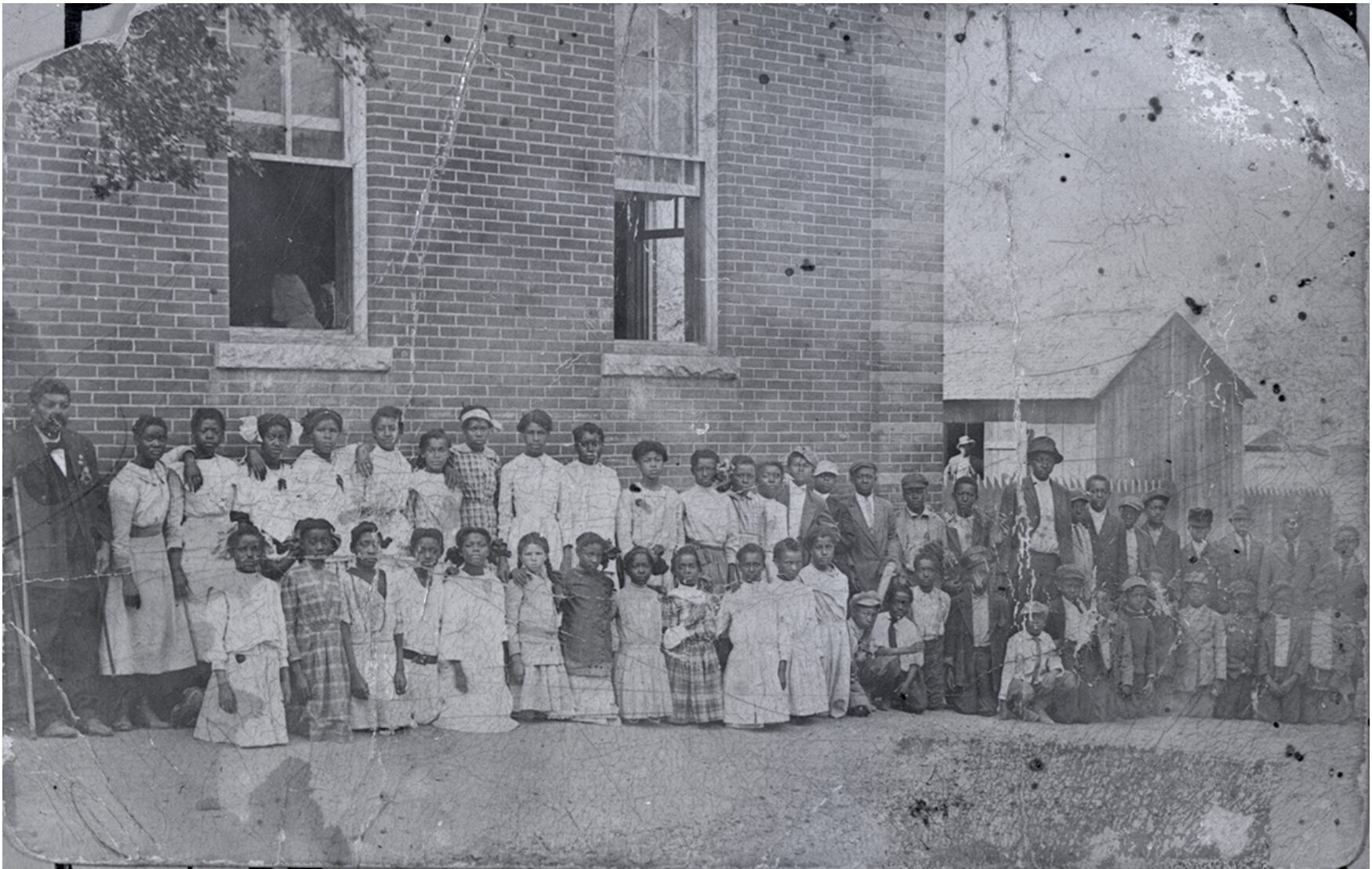
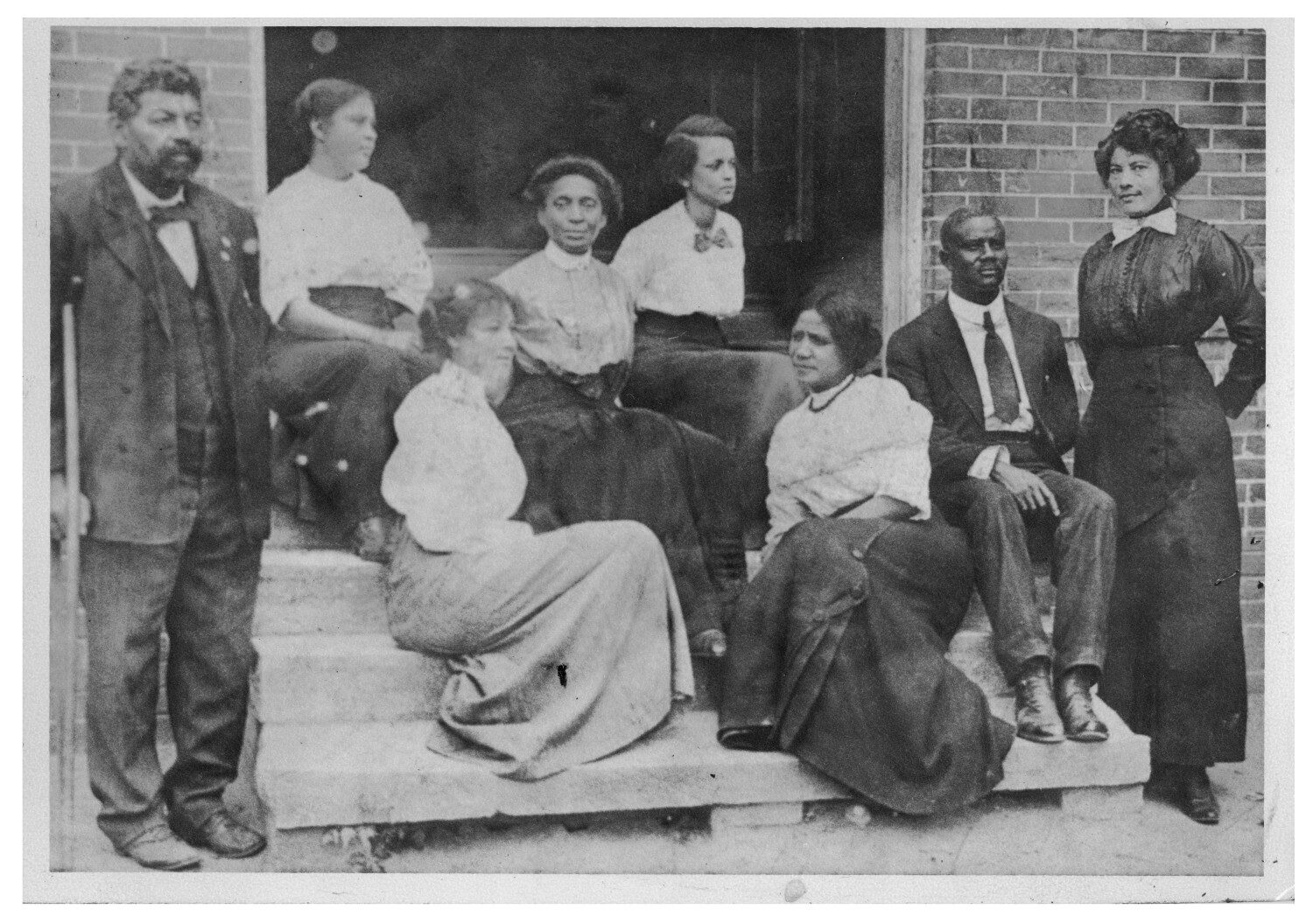
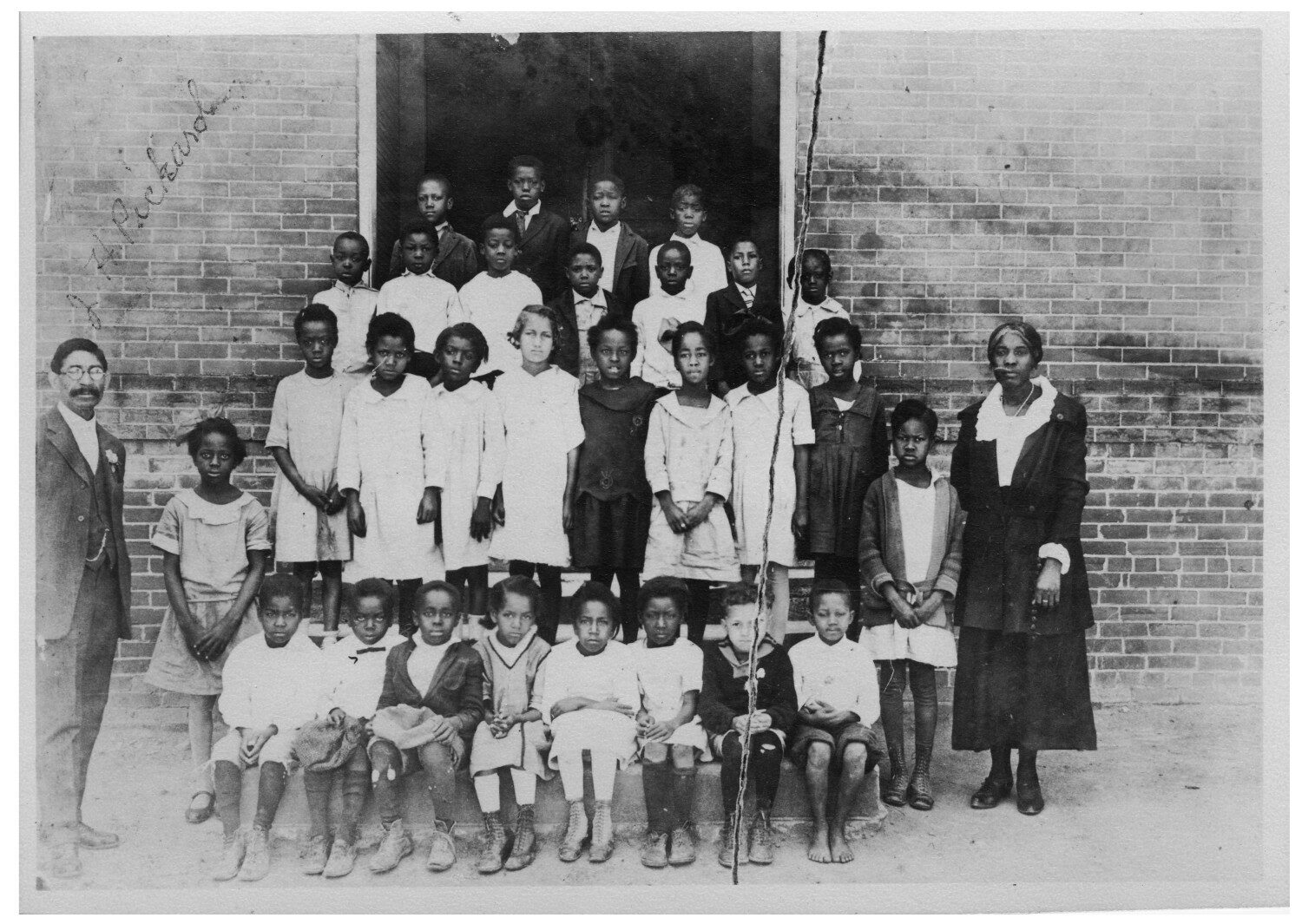
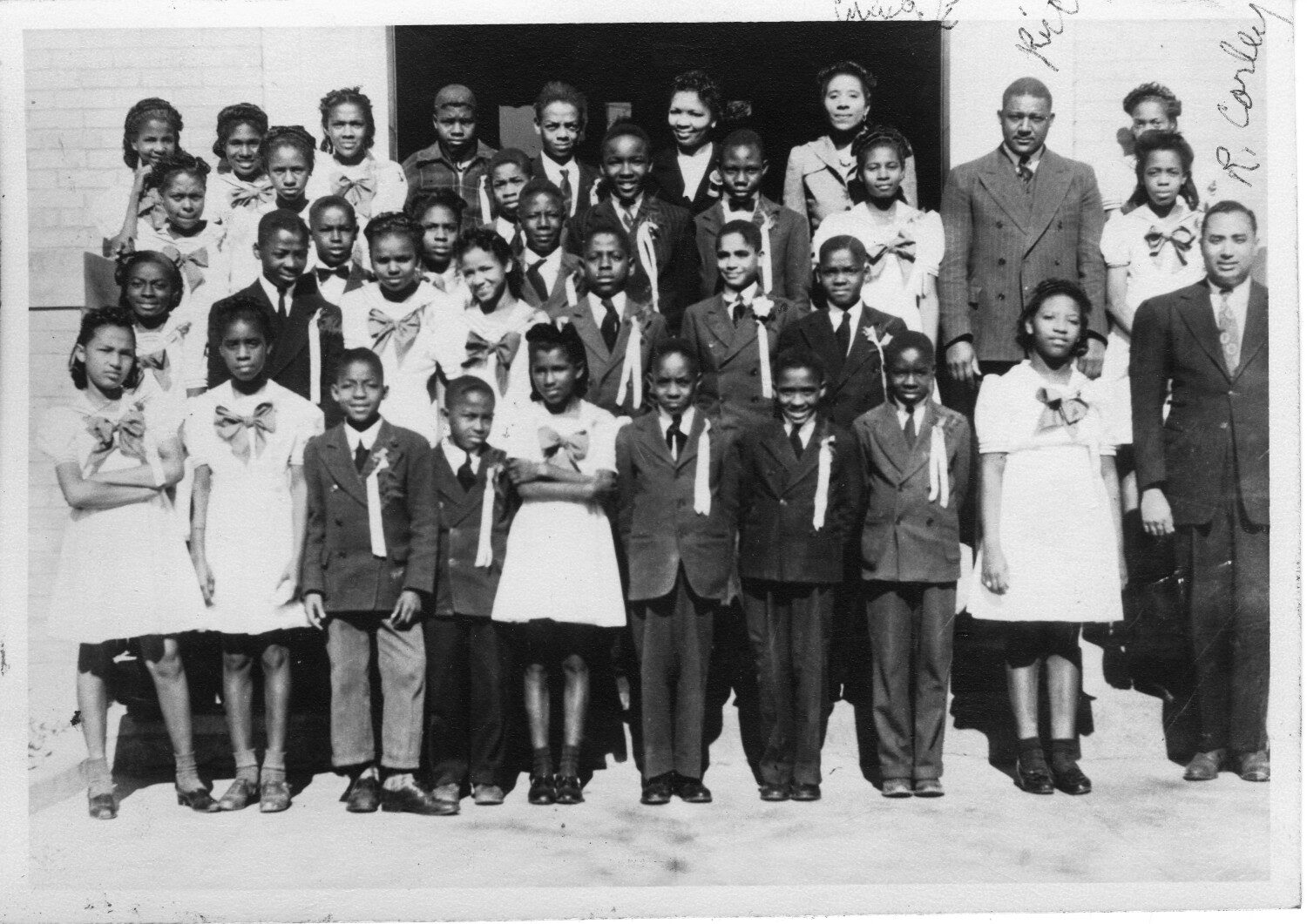
Blackshear Elementary is proud to be the oldest operating public elementary school in Austin, TX,1 and one of the oldest enduring public institutions established for the education of African American children in the United States.
Founded all the way back in 1891 as simply School #3, Blackshear soon became known as the Gregorytown School2 after the historical community in which it was located. Its original building was a single-room, makeshift structure on East 11th street a few blocks from where it sits today. The current site was established in 1903 as an all-purpose school in a much larger brick building serving students up to grade twelve. In 1936, it was extensively renovated to add ten more rooms, given its current facade, and renamed after educator E.L. Blackshear.
The Gregorytown Freedom Colony
Gregorytown was what was known as a “Freedom Colony,” defined by the Texas Freedom Colonies Project as intentional communities “settled by formerly enslaved people during the Reconstruction and Jim Crow eras in Texas following Emancipation.” In Gregorytown, Black residents banded together to create a safe space where they could live and work in peace, relatively insulated from the discrimination of Jim Crow Texas. Operating under segregation and a dire scarcity of resources, the Blackshear school endured. In the 1930s, when New Deal policies mandated equal funding for all federally-supported schools, local governments throughout the South closed Black schools to avoid having to share Depression relief resources with them.3 As a result, Blackshear is one of only a handful of Freedom Colony schools still operating today.
UNT Libraries, crediting Jacob Fontaine Religious Museum
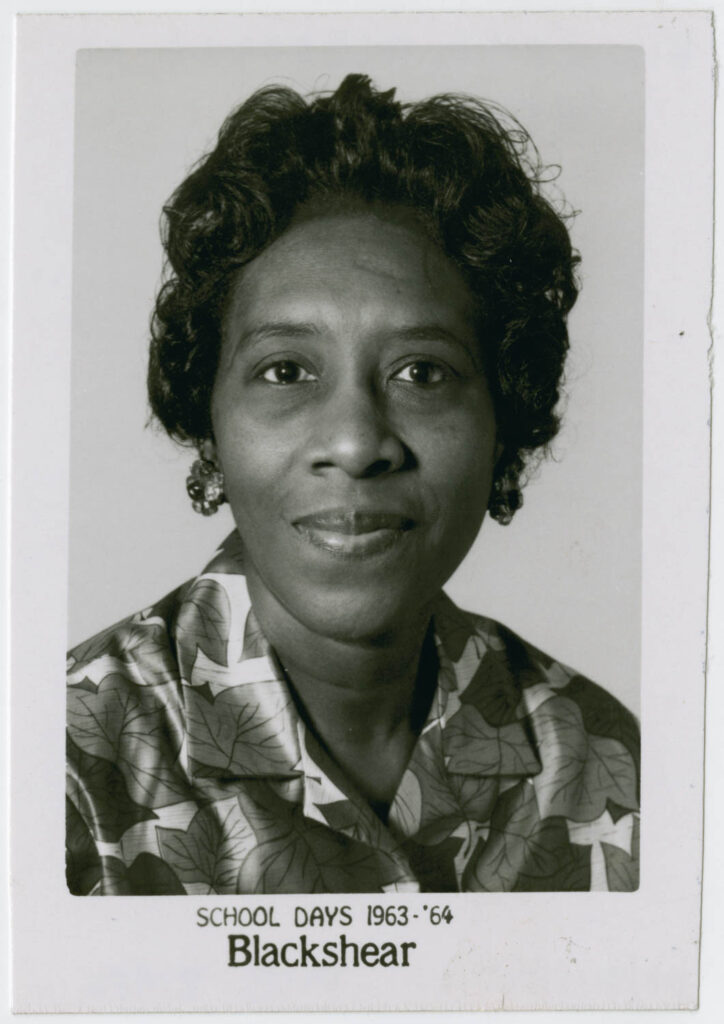
Pioneers in Texas Education: Friendly Rice & Algerene Akins Craig
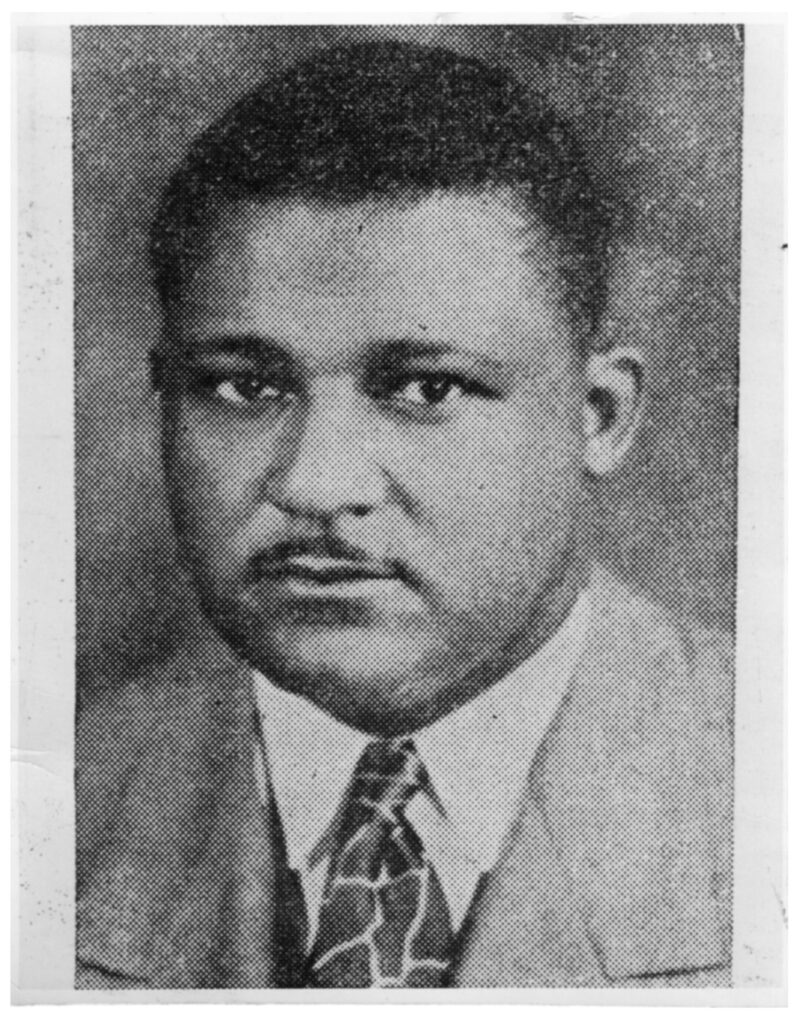
The Blackshear school flourished under the leadership of Friendly R. Rice, who served as its principal for an incredible 41 years from 1931 to 1972. Rice held the school to high standards while pioneering programs to promote systemic equity for all students. Among Rice’s innovations were the city’s first free hot lunch program, which became a model for today’s free lunch program throughout AISD’s Title I schools, a school garden to provide sustenance for the community during Depression Era hardships, and a school library.
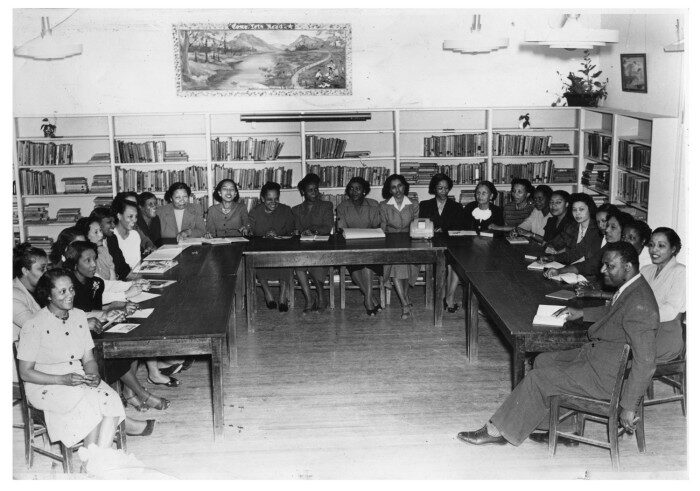
Established in 1934 by Algerene M. Akins Craig, the Blackshear school library was one of the first libraries at a public elementary school in Texas, and one of only two public libraries in the city to offer access to Black Austinites. Craig, an East Austin community leader and activist, was not only Blackshear’s founding librarian, but one of the first professionally qualified Black woman public school librarians throughout the entire South. Also a noted historian, Ms. Craig dedicated her life to documenting Black East Austin throughout the 20th century.
Over the course of the last 135 years, the school and the surrounding community have grown and changed together. The Blackshear building expanded several times, taking on the idiosyncratic floor plan that we see today. Tillotson College, founded in 1881, merged with Huston College in 1952 at its current site across 11th street from Blackshear; its iconic bell tower was erected in 1974. Mt. Olive Baptist Church, founded in 1886, completed its current building just east of Blackshear in 1986. Holy Cross Catholic Church, just west of the school, opened its current building in 1937, and in 1940 established Holy Cross Hospital, the first hospital in Austin to admit Black physicians. The Carver library nearby – Austin’s first branch library, founded in 1933, just one year before Blackshear’s library – moved into a new building in 1979, and the very next year saw the opening of the George Washington Carver Museum and Cultural Center, the first African-American neighborhood museum in Texas.
Since 2000, Blackshear and the surrounding neighborhood have seen dramatic changes. The integration of Austin schools in the 1970s and 80s, the rapid gentrification of East Austin in the 2000s and 2010s, and changes to the structure of the public school system have changed Blackshear from a school that served the Black community of the immediate neighborhood to one that, while still 78% minority, is socio-economically and geographically diverse, harmoniously balanced by students who transfer from other parts of the city to take advantage of the Fine Arts Academy established at Blackshear in 2015.
In 2026, students from nearby Oak Springs Elementary will join the Blackshear family – the next step in the 135-year journey of the heart of East Austin.
- Rouser, M. (2025, October 22). Is Blackshear the oldest operating elementary school in Austin? KUT News. ↩︎
- Historical research on East Austin schools – which moved from building to building, and consolidated and separated, repeatedly based on enrollment – is made especially challenging by AISD’s early naming conventions, which referred to these schools only by their general location. By 1913, Blackshear was known as simply “the Gregory School.” There were several failed petitions to rename schools serving children of color after distinguished community members, but the school board resisted. By 1936, only the Blackshear School, Zavala Elementary, and Anderson High School had succeeded in naming their campuses after Black or Tejano leaders. ↩︎
- In East Austin, these issues began much earlier than, and persisted well beyond, the Depression Era. In one early volume of the Minutes of the Austin City Public Schools Board of Trustees, the refusals “no action,” “postponed,” and similar denials appear more than 150 times, almost always in response to projects proposed to benefit Black students. ↩︎
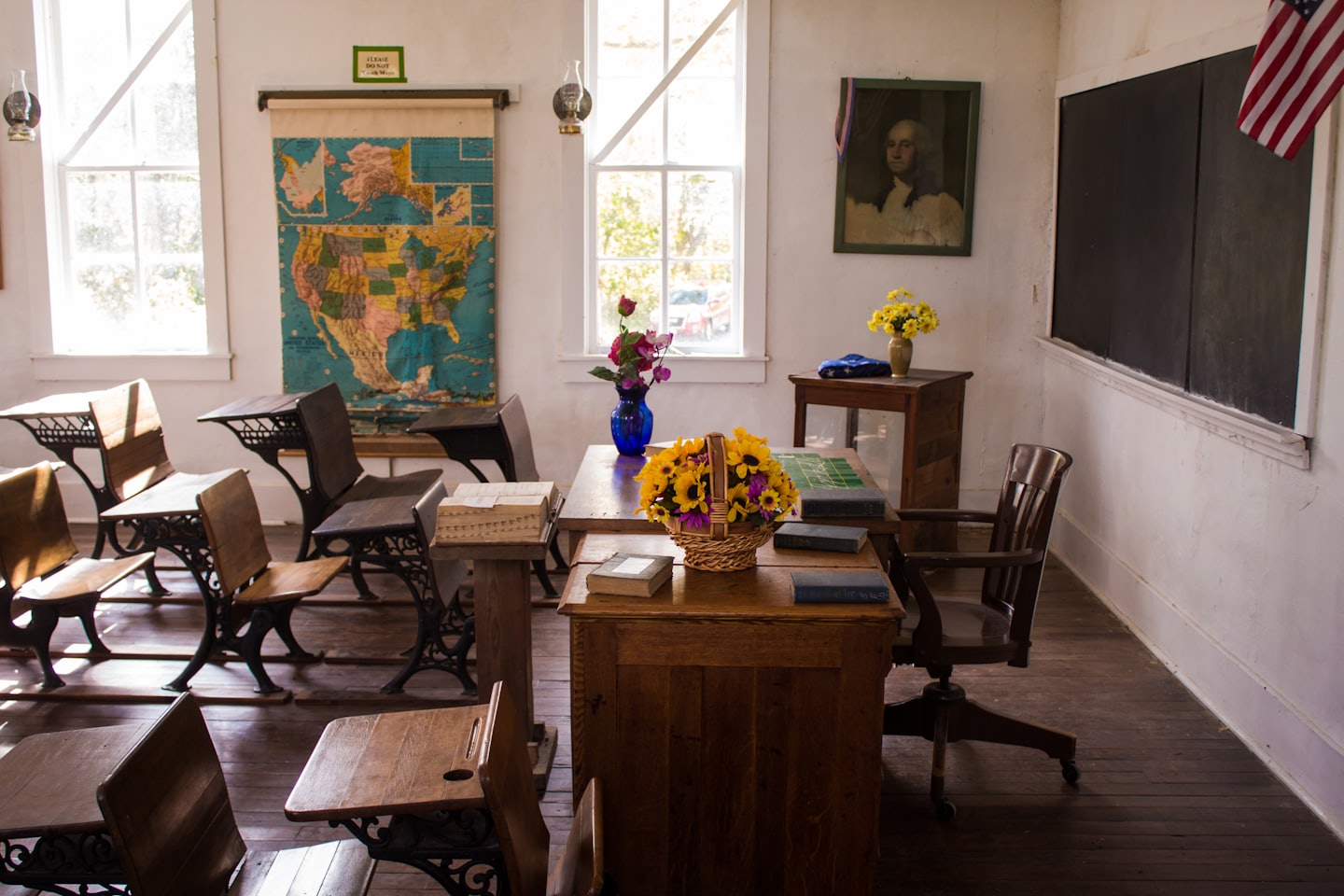
Explore the Legacy of Blackshear Elementary
Learn why Blackshear Elementary has been East Austin’s longest-enduring institution for public education for 135 years.